

The Reality of Emotional Labor in Care

We often celebrate resilience in care, but how often do we truly examine the emotional labor that sits beneath it?
Working in supported accommodation requires far more than practical competence. It calls for emotional steadiness in moments of crisis, patience during repeated challenges, and the ability to remain present when supporting young people carrying complex experiences.
Much of what care professionals carry will never appear in incident logs, shift handovers, or performance reports. The calm after an escalation. The empathy offered during distress. The consistency shown on difficult days. These moments rarely receive formal recognition, yet they shape outcomes every day.
As a sector, we should be asking ourselves an important question: are we genuinely recognising emotional labour, or have we normalized it as an unspoken expectation?

Trauma-informed organisations understand that sustained emotional output cannot be taken for granted. It must be met with intentional support systems such as reflective practice, meaningful supervision, psychologically safe cultures, and leadership that listens as well as directs.
When emotional labour is overlooked, the impact is rarely immediate, but it is inevitable. Fatigue grows, compassion erodes, and the quality of care can suffer. When staff are supported well, the opposite is also true: teams become more regulated, more consistent, and better equipped to provide safe, relational care.
At GreenLeaf Homes, we believe supporting staff wellbeing is not separate from delivering excellent care, it is central to it. We continue to reflect, refine, and raise the standard of what responsible support should look like.
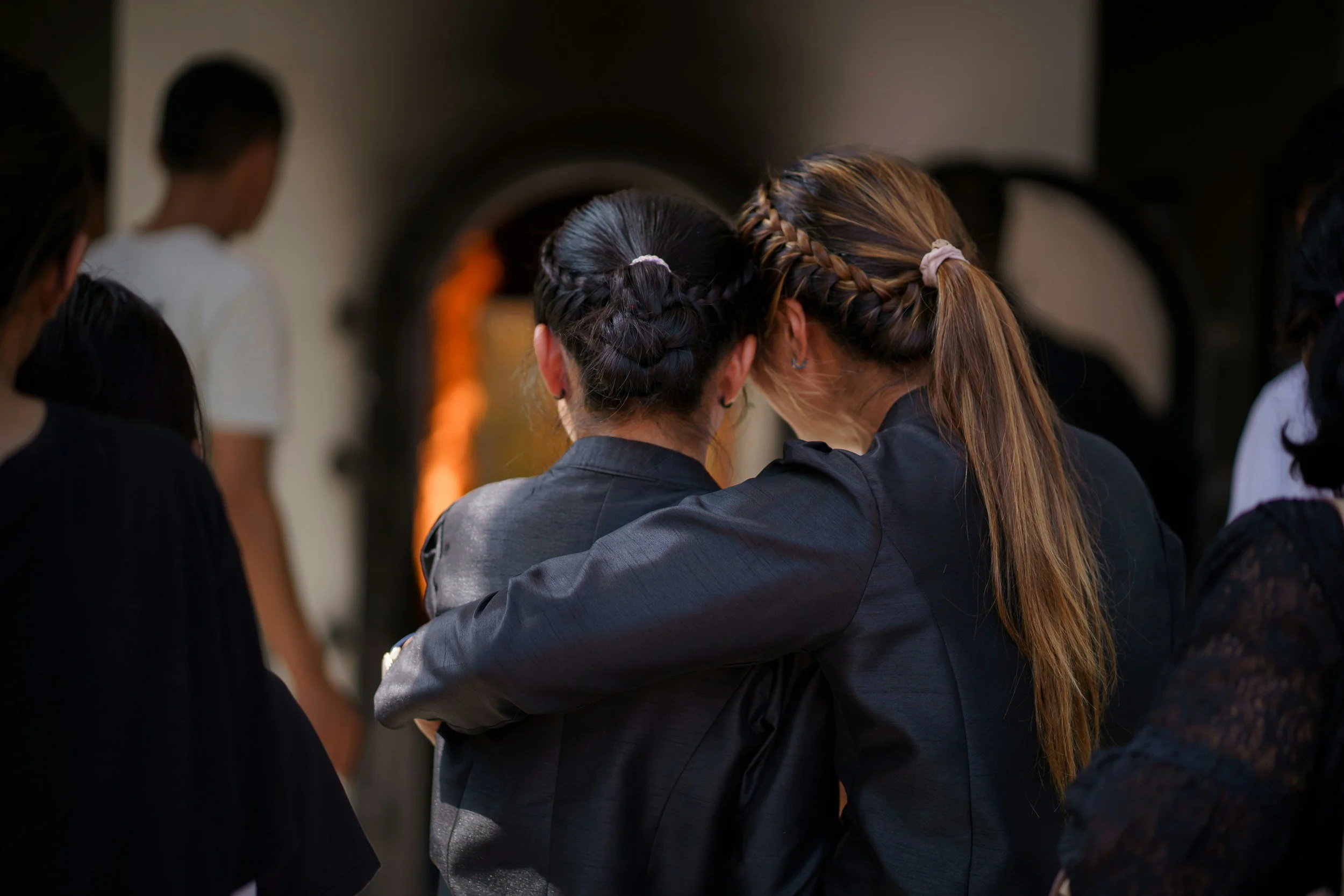
What does meaningful recognition of emotional labour look like in your organisation?
#GreenleafHomes #SupportedAccommodation #WorkforceWellbeing #SocialCareLeadership #TraumaInformedCare #ReflectivePractice #PsychologicalSafety #CareStaffWellbeing #BurnoutInCare #LeadershipInCare
