

Starting From Where You Are
What Independence Really Means in Supported Living

Independence is one of the most frequently used words in supported living and one of the most misunderstood. Too often, it’s measured by checklists: cooking alone, managing money, travelling independently. While these skills matter, focusing on outcomes alone misses something essential. Independence doesn’t begin with doing more. It begins with feeling safe enough to try.
Why “independence” is misunderstood
In many systems, independence is treated as a destination rather than a process, young people are expected to move quickly toward visible milestones, regardless of what they’ve experienced before arriving at supported living.
But for many, independence hasn’t always meant freedom. It’s meant abandonment, instability, or being left to cope without support. When that’s the history, being “independent” can feel threatening rather than empowering. True independence isn’t about withdrawing support, it’s about offering the right support at the right time.
The harm of comparison and rushing
Comparison is one of the quietest harms in supported living environments and when progress is measured against others, “they’re managing their own flat already” or “most people your age can do this”, young people learn that they are behind, rather than becoming confident in their own pace.
Rushing progress may look efficient, but emotionally it can reinforce shame, anxiety, and fear of failure. Young people may comply outwardly while disconnecting inwardly, doing what’s expected rather than what they’re ready for. It is pertinent to know that slow progress is not a lack of progress, it’s often the most sustainable kind.
Meeting young people at their emotional starting point
Every young person enters supported living at a different emotional starting point. Some arrive with confidence and stability. Others arrive exhausted, guarded, or unsure whether adults can be trusted at all. Effective support starts right there and not where a policy, pathway, or funding model says they “should” be.
Independence as confidence, not isolation
Real independence looks less like being left alone and more like knowing support is available without losing dignity. It’s the confidence to make decisions, to ask for help without fear, and to recover from mistakes without punishment. It’s the ability to trust yourself because someone once showed you that you were worth trusting.
In conclusion supported living works best when independence is framed not as isolation, but as interdependence and where support gradually shifts rather than suddenly disappears.
Independence doesn’t start with doing everything alone.
It starts with knowing you don’t have to.
The Language We Use in Care

Are our words shaping outcomes more than we realize?
Language sits at the center of practice within reports, handovers, and everyday professional conversations. Terms like “non-compliant,” “attention-seeking,” or “manipulative” are often used without reflection, yet they carry weight far beyond the moment they are written or spoken.
Trauma-informed care challenges us to pause and ask: are we describing behaviour, or defining the person? Because language does more than document, it shapes perception. And once a narrative is formed, it can follow a young person across placements, influencing how they are understood and supported over time.
As a sector, this invites deeper reflection. Are our words opening pathways for understanding, or reinforcing fixed assumptions? Are we creating space for curiosity, or closing it too quickly?

At GreenLeaf Homes, we are continually refining the language we use, recognising its impact on both practice and outcomes. Thoughtful language supports thoughtful care and better futures for the young people we work with.
What language has your team had to reconsider?
#GreenleafHomes #SupportedAccommodation #TraumaInformedCare #LanguageMatters #ReflectivePractice #SocialCareLeadership #YoungPeople #CareWithPurpose #ProfessionalPractice
Evaluating Low-Level Behavior

Are we overlooking what doesn’t escalate?
In the high-stakes environment of supported accommodation, our attention is naturally drawn to the "loudest" data points. We focus on the incidents that mandate intervention, the recorded disruptions, and the moments of acute crisis. But if we only respond when the volume is turned up, are we missing the most critical part of the conversation?
At GreenLeaf Homes, we believe the industry’s reliance on the term "low-level behaviour" might be our greatest collective oversight. By labeling subtle shifts as merely "manageable," we risk ignoring the very foundation of trauma-informed care.
Behavior rarely erupts in a vacuum; it evolves through a progression of quiet signals and when a young person’s engagement dips, their responses shorten, or they begin a gradual withdrawal from the community, these aren't just minor inconveniences, they are communications.
Because these signs aren't urgent, they are often overlooked by the sector at large: yet, trauma-informed practice demands that we notice the trend lines, not just the spikes on a graph.

At GreenLeaf, we are constantly introspecting on our approach and we ask questions like; what has shifted for this young person? what might they be responding to in their environment? how can we intervene before a behavior becomes a crisis?, because we believe that early signals provide the clearest insight into underlying needs and our commitment to continuous improvement means we don't wait for the "incident report" to start caring.
How does your team approach what sits beneath “low-level” incidents? If you only audit the incidents that escalate, what vital information about your young people is currently sitting beneath the surface of your "manageable" logs?
#TraumaInformedPractice #EarlyIntervention #SocialCare #GreenLeafHomes #ThoughtLeadership #BehaviourSupport
Assessing Readiness Beyond Practical Capability

Are we too quick to equate independence with capability?
In supported accommodation, independence is often measured through visible milestones such as managing finances, maintaining a tenancy, and engaging in education or employment. These outcomes matter, but they do not always reveal emotional readiness. Practical competence and internal stability are not always the same thing.
Many young people learn how to cope outwardly while still navigating challenges with trust, emotional regulation, confidence, and decision-making. They may appear ready on paper, while still needing support beneath the surface.
As a sector, we should ask ourselves: are we preparing young people for independence, or simply expecting them to demonstrate it?
Trauma-informed practice encourages us to look beyond checklists. Can this young person manage setbacks without becoming overwhelmed? Do they feel confident making decisions without constant reassurance? Are we reducing support at a pace that reflects their development rather than external timelines?

When independence is introduced without emotional readiness, instability often follows. Progress may look successful initially, while the foundations remain fragile.
At GreenLeaf Homes, we believe readiness must be assessed holistically, true independence is not just about practical skills, it’s about confidence, resilience, and sustainable progress. We continue to reflect on how we measure readiness so young people are supported to move forward and thrive.
How does your organisation assess readiness beyond practical capability?
#GreenleafHomes #SupportedAccommodation #TraumaInformedCare #Independence #YoungPeople #ReflectivePractice #SocialCareLeadership #EmotionalReadiness #PathwayToIndependence
The Reality of Emotional Labor in Care

We often celebrate resilience in care, but how often do we truly examine the emotional labor that sits beneath it?
Working in supported accommodation requires far more than practical competence. It calls for emotional steadiness in moments of crisis, patience during repeated challenges, and the ability to remain present when supporting young people carrying complex experiences.
Much of what care professionals carry will never appear in incident logs, shift handovers, or performance reports. The calm after an escalation. The empathy offered during distress. The consistency shown on difficult days. These moments rarely receive formal recognition, yet they shape outcomes every day.
As a sector, we should be asking ourselves an important question: are we genuinely recognising emotional labour, or have we normalized it as an unspoken expectation?

Trauma-informed organisations understand that sustained emotional output cannot be taken for granted. It must be met with intentional support systems such as reflective practice, meaningful supervision, psychologically safe cultures, and leadership that listens as well as directs.
When emotional labour is overlooked, the impact is rarely immediate, but it is inevitable. Fatigue grows, compassion erodes, and the quality of care can suffer. When staff are supported well, the opposite is also true: teams become more regulated, more consistent, and better equipped to provide safe, relational care.
At GreenLeaf Homes, we believe supporting staff wellbeing is not separate from delivering excellent care, it is central to it. We continue to reflect, refine, and raise the standard of what responsible support should look like.

What does meaningful recognition of emotional labour look like in your organisation?
#GreenleafHomes #SupportedAccommodation #WorkforceWellbeing #SocialCareLeadership #TraumaInformedCare #ReflectivePractice #PsychologicalSafety #CareStaffWellbeing #BurnoutInCare #LeadershipInCare
Rethinking “Placement Stability”
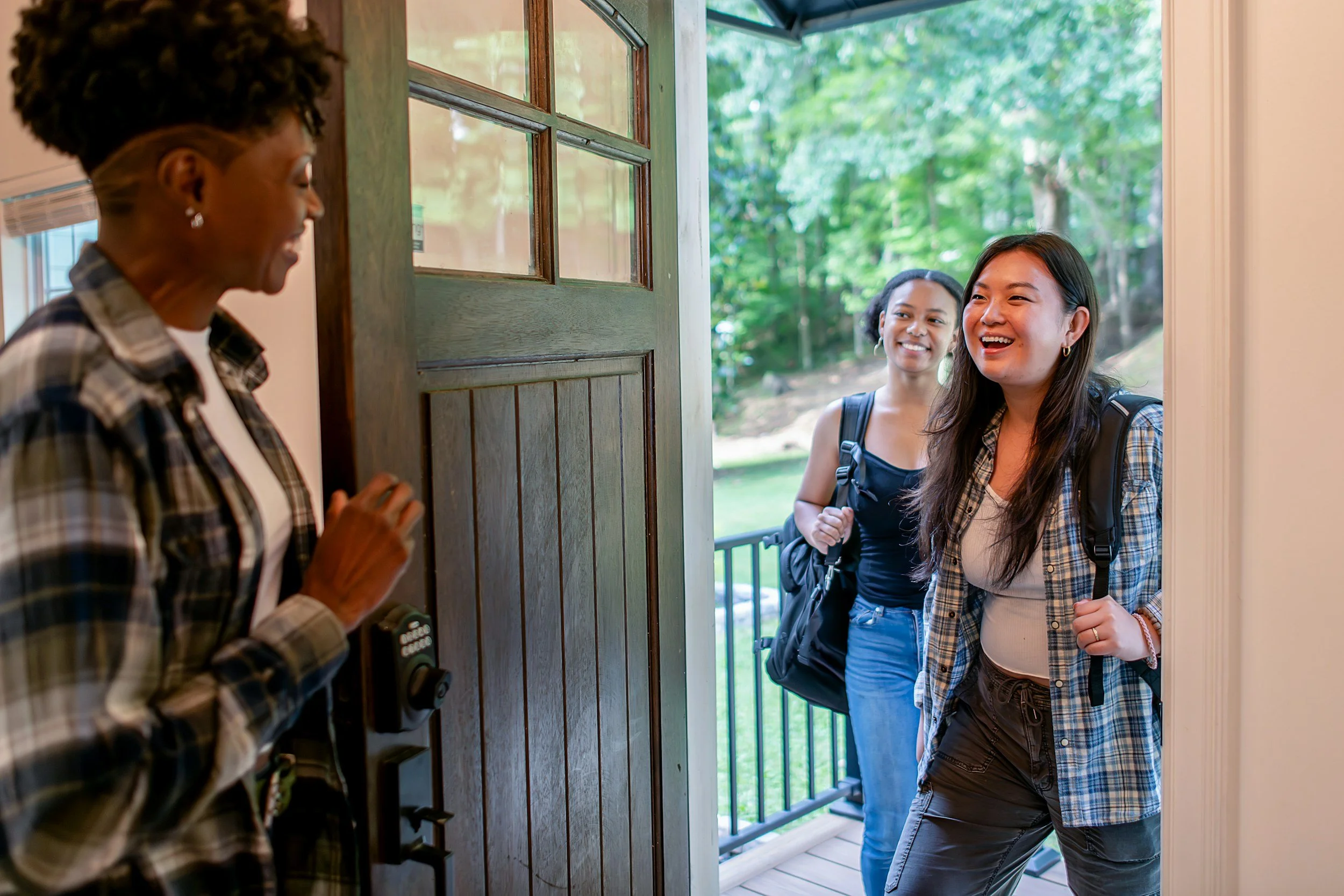
Are we still defining stability too narrowly?
In social care, stability is often measured by what doesn’t go wrong: no placement breakdowns, no missing episodes, and no significant incidents. On paper, this tells a reassuring story. However, it is worth asking: does staying in one place always mean feeling safe in it?
A young person can remain in a placement and still feel unsettled, disconnected, or unsure in their relationships. They may follow routines, meet expectations, and avoid disruption, not because they feel secure, but because they’ve learned how to adapt.
Trauma-informed practice asks us to look beyond surface indicators. Is this young person building trust, or simply managing their environment? Do they feel a sense of belonging, or an expectation to comply?

Real stability isn’t just about continuity; it’s about feeling secure enough to take risks, express emotions, and rely on others.
At Greenleaf Homes, we continue to reflect on how we define and measure stability in practice.
How does your service distinguish between placement stability and emotional stability?
#TraumaInformedCare #PlacementStability #SocialCare #ReflectivePractice #YoungPeople
Confidence Through Personal Growth

Confidence for young people in supported accommodation often grows through everyday progress rather than big achievements. Learning to manage responsibilities, build relationships, and make positive decisions helps young people gradually develop a stronger sense of self-belief.
One important part of this journey is quiet self-belief. As young people begin to handle daily tasks, attend appointments, and develop new life skills, they start to see that they are capable of more than they may have previously believed.
Respect for others is also an important part of personal growth. Living in supported accommodation means sharing space and interacting with different people. Learning to communicate respectfully and build healthy relationships helps create a supportive and positive environment.
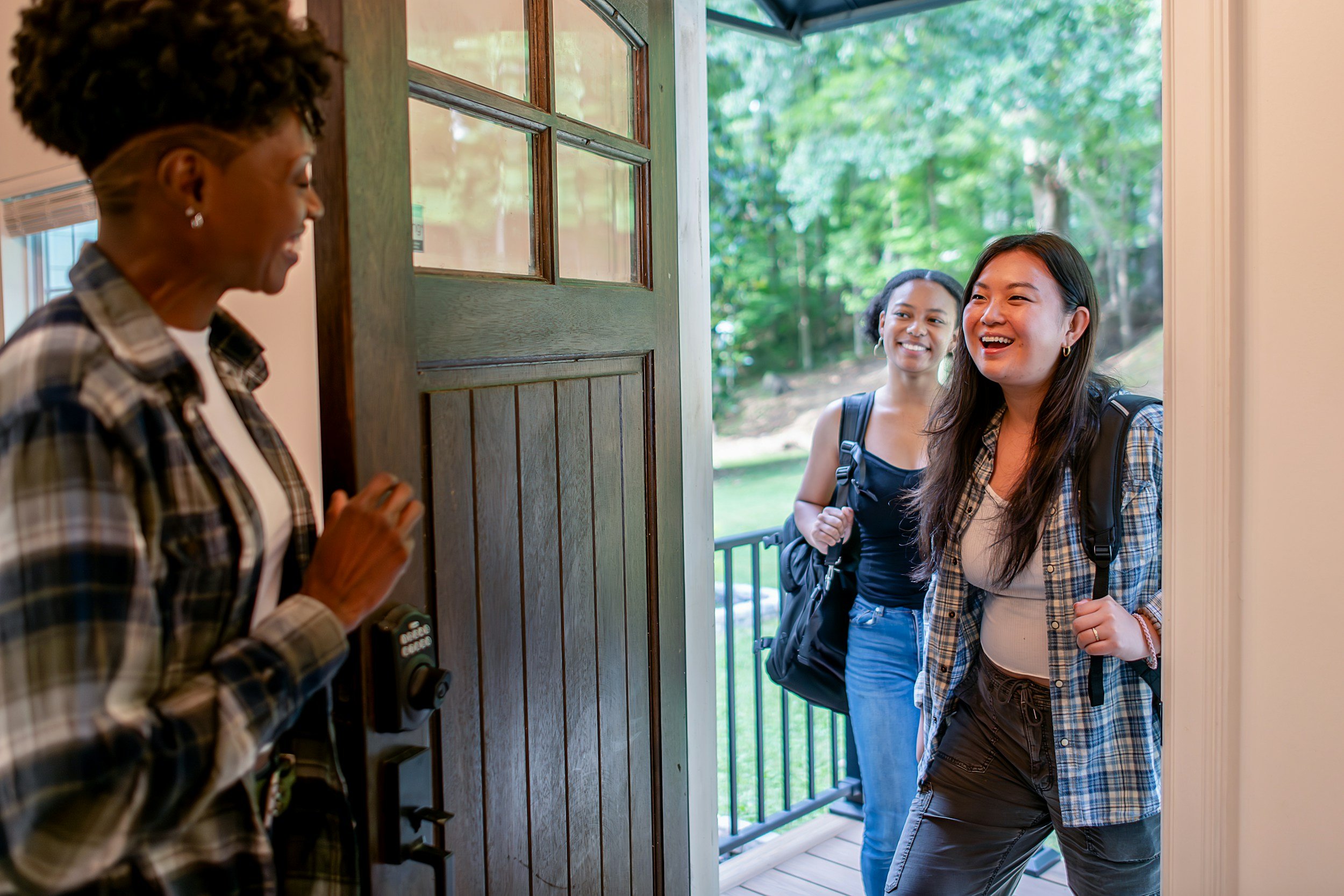
A growth mindset helps young people understand that mistakes are part of learning. Instead of seeing setbacks as failure, they can begin to see challenges as opportunities to improve and develop new skills.
Finally, developing healthy pride allows young people to recognise their progress. Celebrating small achievements, such as maintaining routines or learning independent living skills, helps build lasting confidence over time.
Personal growth takes time, but each step forward helps young people build the confidence they need to move toward greater independence.
#GREENLEAFHOMES #CONFIDENCE #SUPPORTEDACCOMODATION #THURSDAY
What Respect Looks Like in Real Life

Respect is more than just a word, it’s about how we treat each other every day, in supported accommodation, respect is what helps everyone feel safe, heard, and comfortable living together. It’s the small things you do that make a big difference.
Listening properly is one of the easiest ways to show respect. Let people finish what they’re saying without interrupting or talking over them. It shows that you value their thoughts and that their voice matters.
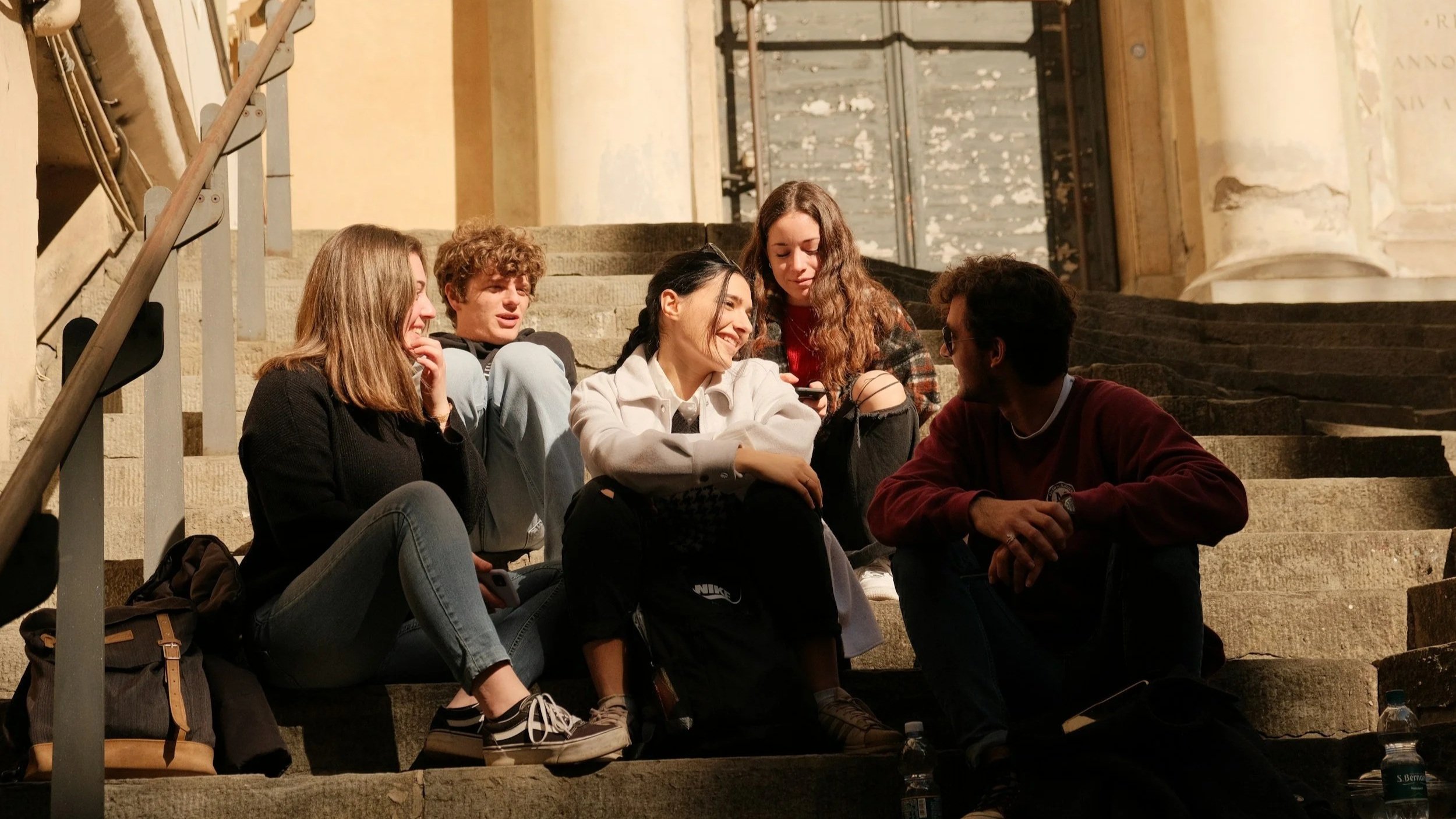
Boundaries are another key part of respect. Everyone has limits, and that’s okay. If someone says “no” or asks for space, respect it. Pushing someone or ignoring their limits only creates tension. Accepting boundaries helps everyone feel safe.
Respect also means honouring feelings. You don’t have to agree with how someone feels, but don’t dismiss or mock their emotions. A simple “I hear you” or “That makes sense” shows that you understand and care.
Clear communication matters too, saying what you mean calmly and honestly, prevents confusion and avoids unnecessary conflict. If something’s bothering you, speak up instead of leaving people guessing.
In the shared spaces of supported accommodation, respect makes life easier for everyone. It helps people feel safe, included, and able to get along. Every choice you make, how you listen, how you speak, how you respond adds up. Respect isn’t complicated; it’s intentional.

It starts with the small everyday actions that show you care about the people around you.
#GREENLEAFHOMES #RESPECT #SUPPORTEDACCOMODATION #WEDNESDAY
Everyday Responsibilities That Build Self-Respect

Self-respect is not built in one big moment. It develops through small, consistent actions we take every day.
The responsibilities we practice daily help us develop independence, confidence, and pride in ourselves.
For many people, especially young people developing life skills, everyday responsibilities provide structure, stability, and a sense of achievement. These simple habits support emotional well-being and help individuals feel capable of managing their daily lives.
At first, these tasks may seem small or routine. However, over time, they become powerful building blocks for self-confidence, personal responsibility, and independence.

Personal hygiene is one of the most important foundations of self-care. It goes far beyond appearance. Taking care of your hygiene supports health, dignity, and emotional well-being. Learning to take responsibility for your living space helps build discipline and independence. Cooking is an important life skill that supports independence and self-reliance. Being able to prepare basic meals allows individuals to care for themselves and make healthier choices.
Keeping track of appointments is also an important skill that supports organisation, responsibility, and independence. The small things we do each day often shape how we see ourselves. Completing everyday tasks successfully creates a sense of achievement and capability.
From personal hygiene to cooking meals and attending appointments, these daily habits help people feel capable, responsible, and proud of themselves. Over time, these small actions create lasting life skills that support independence and wellbeing.
Which everyday skill helps you feel most confident?

Is He Emotionally Available or Just Charming? The Difference Between Charm & Emotional Availability

Let’s be honest, we’ve all met that guy who texts good morning like it’s his job, knows how to say the right things at the right time, is smooth, polished, emotionally poetic, and yet, somehow, you’re confused, so the question is, ‘Is he emotionally available, or is he just charming with Wi-Fi? ’.
Charm is how he makes you feel in the moment; emotional availability is how he shows up over time. Charm sounds like, “I’ve never felt this way before”, “You’re different from other girls.” “I don’t usually open up like this.”

Emotional availability, however, is visible in someone who follows through, who doesn’t vanish when things get real, who has an emotional range beyond flirting and trauma-dumping at 1 am.
There are important things to consider before becoming emotionally invested in a person: one is surface-level sparkle, and the other is substance, which can be steady, reliable, sometimes boring, but safe, which is not entirely bad.
If you’re wondering whether he’s emotionally available, look out for signs like if He is consistent, doesn’t disappear for days and come back with a weak “hey stranger” and ensure that what you see on Monday is what you get on Friday. Make sure that He is honest, even when it’s uncomfortable, he tells the truth without being forced into it, no half-stories, and no selective amnesia.
Another important thing to do is to ensure there is effort; he doesn’t just talk about wanting you, he plans, shows up, checks in, and adjusts when needed. If his words and actions are holding hands, that’s a good sign.

Now let’s talk about what we are no longer ignoring.
We are no longer turning a blind eye to disappearing acts. If he goes ghost when emotions come up, that’s not “space”, that’s avoidance. If he gives mixed signals, is hot today but cold tomorrow, always acts interested but “not ready.”, somewhat available but only on his terms, that confusion you feel with all that act is simply your intuition waving.
Additionally, we are no longer ignoring fast promises; this can be big future talk with no present effort. Anyone can promise you the moon, but very few will consistently show up on Earth, the cheat code is to watch actions, not speeches.
Emotionally available people don’t need to convince you, you feel it in how steady they are, if he’s right for you, clarity will come naturally because as addictive as charm can be, emotional availability is what builds safety, trust, and real connection.
So next time you’re tempted to fall for sweet words, pause and ask: ‘Is he showing up or just showing off?’, because you deserve someone present, not just impressive.


Why Tough Love Isn’t Always Loving — A Nurturer’s Reflection
Welcome to the GreenLeaf Blog
Empowering Growth. Sharing Knowledge. Supporting Healing.
This is more than a blog—it’s a space for learning, reflection, and connection. At GreenLeaf Homes, we believe in the power of education and lived experience to inspire change, build confidence, and nurture healing.
Through this blog, we share insights from our day-to-day practice, guidance for young people developing life skills, and resources for support workers and professionals in the social care sector.
Whether you're on your own journey, supporting others, or working to improve systems—this space is for you.
✨ What You’ll Find Here:
Life Skills & Self-Development Tips
Tools, routines, and reflections to help young people build confidence and independenceTrauma-Informed Practice in Action
Insightful content for support workers and professionals who want to deepen their impactBehind the Scenes at GreenLeaf
A look at how we create nurturing, person-centred homes and careReal Conversations
Honest, relatable reflections on resilience, identity, growth and belonging
We’re committed to sharing what we know—and continuing to learn together.
Because healing happens in community.
As someone who cares deeply, who watches, who wants to protect, we’ve often believed that “tough love” is a sign of strength, of caring enough to push boundaries. But over time, I’ve come to see that tough love, while well-intentioned, can sometimes cause more harm than good. Here's what we’ve learned from the perspective of the nurturer

Love isn’t about being soft or tough, it’s about being present, compassionate, and firm enough to help someone grow without making them feel small.
1. The Mask of Intentions
I started out thinking that being firm (or even harsh) was necessary. “They need to toughen up”, I thought. “If I don’t push, nothing will change.” But intentions don’t erase consequences. When someone feels judged, or unseen, or fearful, the love gets lost. Harsh words become walls. Silence becomes distance.
2. When Boundaries Become Barriers
Boundaries are essential to nurturing — they teach respect, responsibility, safety. However, when boundaries are imposed without empathy, or without understanding the person’s readiness, they become barriers. A boundary with no explanation or with shame can feel like abandonment rather than protection.
3. Vulnerability Matters
As a nurturer, one of the hardest things I’ve done is admit I don’t have all the answers. That vulnerability matters. If the person I care for can’t safely show struggle or doubt, then the “tough” message sends: “You must not feel this way.” That teaches emotional suppression, not growth.
4. Growth Through Support, Not Just Toughness
True loving growth comes when we combine structure with compassion, accountability with kindness. Encouragement, feedback, boundaries — yes. But also listening, softness, patience. People don’t heal from force. They heal when they feel safe enough to open, enough to fail, enough to be human.
At GreenLeaf Homes, we’re committed to getting this right, even before our first placement.
If you’re a young person, professional, or partner who wants to talk about person-centred care, we’d love to connect.
Contact us here. info@greenleafhomes.co.uk or Instagram
Join our Email List
“We’re building a service that centers young people’s voice, choice, and safety from day one. Want to know more? Click here
#ToughLove #IntentionsVsImpact #EmpathyInAction #CompassionateLeadership #EmotionalSafety #WordsMatter #NurturingNotJudging
growth, support, structure, compassion, accountability, kindness, encouragement, feedback, listening, healing

Stop Trying to “Calm Down” - How to Truly Reset When You’re Triggered
Welcome to the GreenLeaf Blog
Empowering Growth. Sharing Knowledge. Supporting Healing.
This is more than a blog—it’s a space for learning, reflection, and connection. At GreenLeaf Homes, we believe in the power of education and lived experience to inspire change, build confidence, and nurture healing.
Through this blog, we share insights from our day-to-day practice, guidance for young people developing life skills, and resources for support workers and professionals in the social care sector.
Whether you're on your own journey, supporting others, or working to improve systems—this space is for you.
✨ What You’ll Find Here:
Life Skills & Self-Development Tips
Tools, routines, and reflections to help young people build confidence and independenceTrauma-Informed Practice in Action
Insightful content for support workers and professionals who want to deepen their impactBehind the Scenes at GreenLeaf
A look at how we create nurturing, person-centred homes and careReal Conversations
Honest, relatable reflections on resilience, identity, growth and belonging
We’re committed to sharing what we know—and continuing to learn together.
Because healing happens in community.
Why “Calm Down” Is Bad Advice for Overwhelm
If you’ve ever been told to “just calm down” when you’re upset, you know how invalidating that feels. When emotions run high, your body launches into fight-or-flight mode, causing a rapid heartbeat, shallow breathing, and racing thoughts.
The truth? Your body isn’t broken, it’s protecting you. This trauma-informed perspective explains why “calming down” isn’t always possible.
Instead of suppressing emotions, focus on self-regulation. It’s not about silencing your feelings — it’s about showing your nervous system that you’re safe right now.
What Does “Self-Reset” Mean?
Self-resetting is an emotional regulation technique rooted in trauma-informed practices. Rather than forcing yourself to “calm down,” you use grounding exercises and somatic tools to guide your body back to balance.
Think of it as pressing refresh rather than mute. You’re not denying your emotions — you’re helping your system recover faster.

If you’ve ever been told to “just calm down” when you’re upset, you know how invalidating that feels. When emotions run high, your body launches into fight-or-flight mode, causing a rapid heartbeat, shallow breathing, and racing thoughts.
3 Proven Tools to Help You Reset
1. Ground Yourself With the 5-4-3-2-1 Method
This grounding exercise for anxiety helps orient you to the present:
5 things you see
4 things you hear
3 things you touch
2 things you smell
1 thing you taste
Example: Feeling panic in a crowded space? Silently list your surroundings — “green chair, silver door handle, yellow sign…” — until your body settles.
2. Cool Your System With Cold Exposure
Using cold water therapy signals your parasympathetic nervous system to shift out of fight-or-flight. Splash water on your face or hold an ice cube for 10 seconds to regulate quickly.
Example: Nervous before an interview? Step away for a moment, run cold water over your hands, and focus on the sensation.
3. Take Micro-Breaks to Prevent Emotional Flooding
Short, intentional pauses stop stress from escalating. Even 30 seconds of box breathing (inhale 4, hold 4, exhale 4, hold 4) or light stretching can reset your nervous system.
Example: Before a tense conversation, take slow steps and breathe deeply to stay grounded and clear-headed.

Why Practice Matters (Even When You’re Calm)
Practicing these emotional regulation techniques during everyday stress builds resilience for bigger challenges. The more you train your nervous system to recover, the less power triggers have over you.
Regulation isn’t self-control , it’s self-support. You’re not telling your feelings to go away; you’re guiding your body to safety.
The Big Takeaway
Stop trying to calm down.
Start learning to self-reset.
With consistent practice, your body will learn to leave fight-or-flight mode more easily and stay anchored even during high-stress moments.
Want to put this into action?
Practice a grounding tool today, even if you’re not stressed.
Share this with someone who needs it.
At GreenLeaf Homes, we’re committed to getting this right, even before our first placement.
If you’re a young person, professional, or partner who wants to talk about person-centred care, we’d love to connect.
Contact us here. info@greenleafhomes.co.uk or Instagram
Join our Email List
“We’re building a service that centers young people’s voice, choice, and safety from day one. Want to know more? Click here
#TraumaInformed #EmotionalRegulation #NervousSystemReset #GroundingTechniques #SelfRegulation #MentalHealthAwareness #FightOrFlight #SomaticHealing #AnxietyTools #CalmYourNervousSystem #TraumaHealing #MindBodyConnection #StressRelief
Calming down isn’t always the answer when you’re triggered. Learn trauma-informed techniques to regulate your nervous system and self-reset effectively

Fight, Flight, Freeze, Fawn — Why You React the Way You Do
Welcome to the GreenLeaf Blog
Empowering Growth. Sharing Knowledge. Supporting Healing.
This is more than a blog—it’s a space for learning, reflection, and connection. At GreenLeaf Homes, we believe in the power of education and lived experience to inspire change, build confidence, and nurture healing.
Through this blog, we share insights from our day-to-day practice, guidance for young people developing life skills, and resources for support workers and professionals in the social care sector.
Whether you're on your own journey, supporting others, or working to improve systems—this space is for you.
✨ What You’ll Find Here:
Life Skills & Self-Development Tips
Tools, routines, and reflections to help young people build confidence and independenceTrauma-Informed Practice in Action
Insightful content for support workers and professionals who want to deepen their impactBehind the Scenes at GreenLeaf
A look at how we create nurturing, person-centred homes and careReal Conversations
Honest, relatable reflections on resilience, identity, growth and belonging
We’re committed to sharing what we know—and continuing to learn together.
Because healing happens in community.
You know how sometimes you completely lose it over something small, and then later you’re like, “Why am I so angry?” Or maybe you avoid certain people or situations because you just can’t deal with conflict and then you wonder, “Why do I avoid conflict so much?” That’s not you being dramatic. That’s your nervous system doing its thing.
See, when your body keeps score and I mean really keeps score from everything you’ve been through your brain doesn’t wait to check if you’re in danger now. It just reacts based on what kept you alive then. This is where the four big trauma responses come in: Fight, Flight, Freeze, and Fawn.
Fight is when you get defensive, raise your voice, or feel that burning in your chest. You’re not trying to be “mean,” your body’s basically saying, attack first, stay safe.
Flight is when you run, not just physically, but in your head. You keep yourself busy, avoid texts, and bury yourself in work.
Freeze is when you feel stuck. You can’t make decisions, your brain goes foggy, you scroll for hours instead of acting.
Fawn is when you people-please your way out of discomfort. You agree, over-explain, apologise, even when you’ve done nothing wrong.

The thing is, you might be doing one or more of these without even realising it. And it’s exhausting.
Here’s what I want you to remember:
Notice without judging: Next time you feel that surge of anger, that urge to avoid, or that heavy stillness, just name it: fight, flight, freeze, or fawn. Awareness breaks autopilot.
Check the factsAsk yourself, Is this about what’s happening right now, or am I reacting to something old? This stops your brain from dragging you into past pain.
Ground your body first: Deep breathing isn’t cliché, it’s science. Try inhaling for 4, holding for 4, exhaling for 6. It slows your nervous system enough for your brain to think clearly.
Practice safe experiments: If you always avoid conflict, try staying in a low-stakes disagreement a few seconds longer than usual. If you always fight, try pausing before responding. Small wins rewire your response over time.
Get support: Whether it’s therapy, support groups, or one honest friend, healing is faster when you’re not doing it alone.
You’re not “broken” or “too sensitive.” You’re a human whose body learned how to survive. The goal now isn’t to erase those responses, but to teach your brain that you’re safe now.

And at GreenLeaf Homes, we are here to walk that journey with you.Want to Learn More?
At GreenLeaf Homes, we’re committed to getting this right, even before our first placement.
If you’re a young person, professional, or partner who wants to talk about person-centred care, we’d love to connect.
Contact us here. info@greenleafhomes.co.uk or Instagram
Join our Email List
“We’re building a service that centers young people’s voice, choice, and safety from day one. Want to know more? Click here
Fight flight freeze fawn explained, why am I so angry, why do I avoid conflict, how to stop people pleasing, how to calm down when angry, how to control my anger, trauma responses, nervous system regulation, grounding techniques.
#FightFlightFreezeFawn #TraumaResponses #AngerManagement #PeoplePleasing #ConflictAvoidance #NervousSystemHealing #TraumaHealingJourney #AnxietyHelp #MentalHealthAwareness #HealingTips

Building a Routine as a Young Person with ADHD Practical Tips That Actually Work
Welcome to the GreenLeaf Blog
Empowering Growth. Sharing Knowledge. Supporting Healing.
This is more than a blog—it’s a space for learning, reflection, and connection. At GreenLeaf Homes, we believe in the power of education and lived experience to inspire change, build confidence, and nurture healing.
Through this blog, we share insights from our day-to-day practice, guidance for young people developing life skills, and resources for support workers and professionals in the social care sector.
Whether you're on your own journey, supporting others, or working to improve systems—this space is for you.
✨ What You’ll Find Here:
Life Skills & Self-Development Tips
Tools, routines, and reflections to help young people build confidence and independenceTrauma-Informed Practice in Action
Insightful content for support workers and professionals who want to deepen their impactBehind the Scenes at GreenLeaf
A look at how we create nurturing, person-centred homes and careReal Conversations
Honest, relatable reflections on resilience, identity, growth and belonging
We’re committed to sharing what we know—and continuing to learn together.
Because healing happens in community.
If you have ADHD you know how starting a routine can feel like trying to nail jelly to a wall messy slippery and frustrating. You want to be organised consistent and in control but your brain sometimes seems to have other plans usually involving distraction or daydreams about pizza.
ADHD means your brain runs on a different operating system. It loves stimulation hates boredom and can struggle with focus planning and time management. But here is the good news building a routine is totally possible and it can change your life or at least your mornings.
Why Routine Matters for ADHD
Routines are not about being perfect or robotic. Think of them more like your favourite TV show on Netflix a predictable series that helps you chill and know what is coming next. This structure reduces overwhelm and makes tasks feel less scary. Plus it keeps your brain from throwing surprise plot twists that ruin your day.

Why Routine Matters for ADHD
Routines are not about being perfect or robotic. Think of them more like your favourite TV show on Netflix a predictable series that helps you chill and know what is coming next. This structure reduces overwhelm and makes tasks feel less scary. Plus it keeps your brain from throwing surprise plot twists that ruin your day.
Start Tiny and Build Momentum
Trying to fix your whole day in one go That is like deciding to run a marathon before you have even tied your shoelaces. Start small. Instead of exercise every morning try put on my workout clothes or walk to the fridge and back. Hey that counts as cardio right These little wins stack up and keep you motivated.
Anchor New Habits to Existing Ones
Connect new habits to stuff you already do. Brush your teeth Great time to scribble a quick journal note or check your to do list. Make coffee Perfect moment to set reminders or plan your day. It is like your brain has a built in GPS that just needs a little rerouting.
Use Visual Reminders and Alarms
Sticky notes phone alarms or even a laundry list on your fridge can work wonders. ADHD brains love reminders because sometimes we forget we even have a phone. Seeing your tasks keeps you focused and stops the ‘what was I doing again moments’.
Be Kind to Yourself Routines Are Not About Perfection
Some days you will nail it, others you will binge watch Netflix instead of working out no judgment. Think of your routine like Wi Fi. Sometimes it drops but you can always reconnect and keep going. Consistency beats perfection every time.
Final Thoughts
Building a routine with ADHD is a mix of patience, creativity and forgiving yourself when things get messy. Start small link habits and use reminders to create a rhythm that actually works for you and your wonderfully unique brain.
overwhelm you. This is not about blame. It is about your responsibility to protect your peace.

And at GreenLeaf Homes, we are here to walk that journey with you.Want to Learn More?
At GreenLeaf Homes, we’re committed to getting this right, even before our first placement.
If you’re a young person, professional, or partner who wants to talk about person-centred care, we’d love to connect.
Contact us here. info@greenleafhomes.co.uk or Instagram
Join our Email List
“We’re building a service that centers young people’s voice, choice, and safety from day one. Want to know more? Click here
Routine for ADHD, Building habits with ADHD, ADHD time management tips, Young people with ADHD, ADHD daily routine, ADHD focus strategies, ADHD self care
#ADHDLife #ADHDRoutine #FocusTips #YoungWithADHD #ADHDSupport #MentalHealthMatters #RoutineBuilding #ADHDStrategies #SelfCareForADHD #Neurodiversity

Setting Boundaries: A Young Woman’s Guide to Reclaiming Her Space, Peace, and Power
Welcome to the GreenLeaf Blog
Empowering Growth. Sharing Knowledge. Supporting Healing.
This is more than a blog—it’s a space for learning, reflection, and connection. At GreenLeaf Homes, we believe in the power of education and lived experience to inspire change, build confidence, and nurture healing.
Through this blog, we share insights from our day-to-day practice, guidance for young people developing life skills, and resources for support workers and professionals in the social care sector.
Whether you're on your own journey, supporting others, or working to improve systems—this space is for you.
✨ What You’ll Find Here:
Life Skills & Self-Development Tips
Tools, routines, and reflections to help young people build confidence and independenceTrauma-Informed Practice in Action
Insightful content for support workers and professionals who want to deepen their impactBehind the Scenes at GreenLeaf
A look at how we create nurturing, person-centred homes and careReal Conversations
Honest, relatable reflections on resilience, identity, growth and belonging
We’re committed to sharing what we know—and continuing to learn together.
Because healing happens in community.
No is a complete sentence. But for many young women who have grown up in care, lived in survival mode, or experienced unstable relationships, saying it out loud can feel overwhelming.
At GreenLeaf Homes, we support young women as they navigate what it means to feel safe, heard, and respected. One of the most essential tools in that journey is learning how to set boundaries.
This article offers clear, practical guidance on how to understand, set, and hold boundaries as part of a healthy and empowered life.
What Are Boundaries?
Boundaries are the personal limits we set to protect our emotional and physical wellbeing. They let others know what is acceptable and what is not. Boundaries are not about building walls or pushing people away. They are about honouring your needs and your safety.
Types of boundaries include:
Emotional boundaries
Protecting your feelings, deciding what topics are off limits, or walking away from emotionally unsafe conversations.
Time boundaries
Protecting your schedule, rest time, or daily routines.
Physical boundaries
Defining your comfort level with touch, personal space, or privacy.
Digital boundaries
Choosing when and how you respond to messages, or who has access to you online.

What Are Boundaries?
Boundaries are the personal limits we set to protect our emotional and physical wellbeing. They let others know what is acceptable and what is not. Boundaries are not about building walls or pushing people away. They are about honouring your needs and your safety.
Why It Feels Difficult
Many young women struggle with boundaries because their earliest environments did not allow for them. They may have been taught to say yes to avoid conflict or to ignore discomfort in order to be accepted.
These experiences often create patterns of people-pleasing, anxiety, or guilt around expressing needs. The result is that saying no can feel like you are doing something wrong.
This is especially common for individuals who have survived trauma or abandonment. The idea of disappointing others can feel like a threat, even when there is no actual danger.
This response is learned. But it can also be unlearned.
Signs You May Need Better Boundaries
Recognising the signs is the first step. Here are some clear indicators that your boundaries need work:
* You often feel resentful after doing something for others
* You feel exhausted or emotionally drained after social interactions
* You say yes when you want to say no
* You are afraid people will stop liking you if you speak up
* You feel invisible in relationships, or that your needs come last
If these resonate, it may be time to begin strengthening your personal boundaries.

How to Start Setting Boundaries
This is not about suddenly changing everything. Boundaries are built gradually, just like trust.
Start small
Set a clear boundary in a low-stress environment. For example: "I will not be available after 9 PM."
Speak clearly
You do not need to justify or explain. Try: "That is not something I am comfortable with."
Accept that it may feel uncomfortable
Boundaries often challenge existing dynamics. Some people may resist. That is not a sign you are wrong.
Be consistent
Boundaries only work when you stick to them. Say what you mean and follow through gently.
Remind yourself that you are allowed
You are allowed to rest. You are allowed to have limits. You are allowed to take up space.
Examples of Boundary Statements
It is helpful to have language prepared for common situations. Here are a few practical scripts:
* I need time to think before I answer that
* I am not ready to talk about this
* I care about you, but I need some space right now
* I am not comfortable being spoken to that way
* I do not check messages late at night
The more you use these statements, the more natural they will become.
When You Do Not Set Boundaries
Avoiding boundaries may feel easier in the moment, but it often leads to long-term consequences, including:
* Burnout and exhaustion
* Resentment in relationships
* A loss of identity or sense of self
* Repeating harmful patterns
* Struggles with trust and emotional regulation
Without boundaries, even well-meaning people can overwhelm you. This is not about blame. It is about your responsibility to protect your peace.

Support in Supported Living Environments
At GreenLeaf Homes, we work closely with young women to help them understand and practice healthy boundaries. This includes:
* Identifying their personal needs without shame
* Learning how to say no and mean it
* Creating emotional and physical space in shared living environments
* Rebuilding trust in themselves and others
We treat boundary-setting as a life skill, not a personality trait. And like any skill, it improves with practice and support.

Setting boundaries is not about being difficult. It is about being clear.
It is not about pushing people away. It is about choosing peace.
It is not about becoming someone new. It is about finally becoming yourself.
You are not too much. You are not selfish. You are allowed to protect your energy.
If you or someone you support is learning to set boundaries and rebuild after trauma, we invite you to reach out.
GreenLeaf Homes offers a safe, structured, and understanding environment for young women ready to heal and grow ,one clear boundary at a time.
And at GreenLeaf Homes, we are here to walk that journey with you.Want to Learn More?
At GreenLeaf Homes, we’re committed to getting this right, even before our first placement.
If you’re a young person, professional, or partner who wants to talk about person-centred care, we’d love to connect.
Contact us here. info@greenleafhomes.co.uk or Instagram
Join our Email List
“We’re building a service that centers young people’s voice, choice, and safety from day one. Want to know more? Click here
setting boundaries for young women, emotional safety, trauma recovery, youth support, supported accommodation, personal boundaries, mental health in supported living, boundary setting after care, reclaiming self-worth, young women healing
#Boundaries #YouthSupport #EmotionalWellbeing #HealingAfterTrauma #GreenLeafHomes
Trauma Bonding: Why Some Young People Stay in Harmful Relationships
Welcome to the GreenLeaf Blog
Empowering Growth. Sharing Knowledge. Supporting Healing.
This is more than a blog—it’s a space for learning, reflection, and connection. At GreenLeaf Homes, we believe in the power of education and lived experience to inspire change, build confidence, and nurture healing.
Through this blog, we share insights from our day-to-day practice, guidance for young people developing life skills, and resources for support workers and professionals in the social care sector.
Whether you're on your own journey, supporting others, or working to improve systems—this space is for you.
✨ What You’ll Find Here:
Life Skills & Self-Development Tips
Tools, routines, and reflections to help young people build confidence and independenceTrauma-Informed Practice in Action
Insightful content for support workers and professionals who want to deepen their impactBehind the Scenes at GreenLeaf
A look at how we create nurturing, person-centred homes and careReal Conversations
Honest, relatable reflections on resilience, identity, growth and belonging
We’re committed to sharing what we know—and continuing to learn together.
Because healing happens in community.
One of the most heartbreaking patterns we see working with young people aged 16 to 21, is the difficulty in leaving harmful relationships even when the young person knows they’re being hurt. This isn’t a matter of weakness or foolishness. Often, what we’re seeing is trauma bonding, a survival response to inconsistent care, control, and emotional manipulation.
Understanding trauma bonding is key to breaking the cycle and helping young people move toward safety and self-worth.
What is Trauma Bonding?
Trauma bonding happens when a person forms a strong emotional connection with someone who repeatedly harms or mistreats them. This connection is intensified by a cycle of abuse and affection. The pain keeps them low, but the occasional kindness gives just enough hope to stay.
For many young people, especially those with a history of neglect, loss, or abuse, this pattern can feel familiar, even normal.

What is Trauma Bonding?
Trauma bonding happens when a person forms a strong emotional connection with someone who repeatedly harms or mistreats them. This connection is intensified by a cycle of abuse and affection. The pain keeps them low, but the occasional kindness gives just enough hope to stay.
What It Might Look Like (Real-Life Examples):
A young person saying, "Yeah, he shouts at me, but he’s just stressed. He always says sorry."
Feeling intense loyalty to someone who isolates or controls them
Constantly trying to "fix" or please someone who hurts them
Being afraid of what life will feel like without the person, even when they cause distress
Why Trauma Bonding Happens
Young people are still forming their sense of identity and self-worth. If they’ve experienced instability in early relationships like absent parents, neglect, or abuse their brains may associate love with chaos, control, or pain.
In these cases:
Inconsistency feels normal
Affection feels like a reward
Control feels like safety
It’s not love. It’s survival.
How to Gently Support Them
As professionals, our role is not to rescue, but to walk alongside. Here’s what helps:
Use non-judgemental language – Avoid “Why don’t you just leave?” Instead, try: “That sounds really difficult. What do you need right now?”
Name the pattern – Introduce the concept of trauma bonding gently and explain it in relatable terms
Empower choice – Give space for the young person to make decisions, even if you don’t agree
Strengthen self-worth – Help them rediscover who they are outside the relationship
Offer consistency – Become the “safe person” they can return to without fear of blame

Final Thoughts
If you’re reading this as a young person, know that it’s not your fault. You didn’t choose to be hurt, and you don’t have to keep proving your worth through pain.
If you’re a professional or carer keep showing up. It takes time for someone to see what they’re in. Your presence, empathy, and gentle guidance can be the reason they find the strength to walk away.
Want to Learn More?
At GreenLeaf Homes, we’re committed to getting this right, even before our first placement.
If you’re a young person, professional, or partner who wants to talk about person-centred care, we’d love to connect.
Contact us here. info@greenleafhomes.co.uk or Instagram
Join our Email List
“We’re building a service that centers young people’s voice, choice, and safety from day one. Want to know more? Click here
#TraumaBonding #YouthSupport #ToxicRelationships #TraumaInformedCare #EmotionalAbuse #BreakTheCycle #MentalHealthForYouth #YoungPeopleMatter #SupportWorkerLife #HealingFromTrauma
Trauma bonding in young people, support for teens in toxic relationships, emotional abuse and young adults, trauma-informed care, signs of trauma bonding, how to support vulnerable youth

Beating the Clock: Why You Procrastinate and How Time Management Can Help
Welcome to the GreenLeaf Blog
Empowering Growth. Sharing Knowledge. Supporting Healing.
This is more than a blog—it’s a space for learning, reflection, and connection. At GreenLeaf Homes, we believe in the power of education and lived experience to inspire change, build confidence, and nurture healing.
Through this blog, we share insights from our day-to-day practice, guidance for young people developing life skills, and resources for support workers and professionals in the social care sector.
Whether you're on your own journey, supporting others, or working to improve systems—this space is for you.
✨ What You’ll Find Here:
Life Skills & Self-Development Tips
Tools, routines, and reflections to help young people build confidence and independenceTrauma-Informed Practice in Action
Insightful content for support workers and professionals who want to deepen their impactBehind the Scenes at GreenLeaf
A look at how we create nurturing, person-centred homes and careReal Conversations
Honest, relatable reflections on resilience, identity, growth and belonging
We’re committed to sharing what we know—and continuing to learn together.
Because healing happens in community.
Sometimes, managing your time sounds like something people tell you to do when they’re trying to guilt-trip you into being productive. But when you’re actually living real life juggling school, a job, maybe healing from stuff, maybe trying to get your head right, It can be very challenging.
Sometimes you're just trying to get through the day. Other times you're thinking, wait, it's already evening
And NO, it’s not because you’re not lazy or unserious. You’re just doing what you can with what you’ve got.
But also, time isn’t going to stretch itself to make things easier. So the earlier you learn how to take control of your day, even just a little bit, the better everything feels. Not perfect. Just lighter.

We overthink it. We want to plan our whole week, wake up at 5am, and magically become like other people. But it rarely works like that. What works is paying attention to the little things that steal your time and adjusting them.
So how do you manage time when it feels like you have none
Start small. That’s it.
We overthink it. We want to plan our whole week, wake up at 5am, and magically become like other people. But it rarely works like that. What works is paying attention to the little things that steal your time and adjusting them.
Like this
1. Notice what’s draining you
Not every thing that drains you looks like a task. If scrolling leaves you tired, that counts. If pretending to be fine around people wears you out, that matters. If worrying for two hours before starting anything is your pattern, that’s stealing your time too.
The goal is not to shame yourself. It’s just to stop being surprised when you’re exhausted and feel like you’ve achieved nothing.
2. Give yourself less to do, not more
The fewer things on your list, the more likely you’ll actually do them. If you write things like fix my CV, apply to five jobs, clean my room, work out, and text three people, chances are you’ll avoid all of it. But if your only goal is to update the education part of your CV, you’ll do that. You might even do more.
Momentum is real. Start with one thing that won’t scare your brain.

3. Make boring things easier
You don’t have to sit down with a planner and coloured pens. You can just open the Notes app and list three things you’d like to finish by tomorrow. Not full sentences. Just simple reminders. You can even set an alarm that says do that one thing.
Making it look fancy doesn’t matter. Making it doable does.
4. Treat time like money
If you had one thousand pounds and people kept asking for three hundred here and there, you’d eventually notice you were running out. That’s what happens with time too.
You only have 24 hours. If six go into overthinking, three into your phone, and another five doing things for people out of guilt, what’s left for you
This is not to make you feel bad. It’s just to make you more aware of where your hours are going. You can’t get back what you didn’t even notice you were spending.
5. Don’t wait to feel like it
Motivation usually shows up after you start, not before. Waiting to be in the mood is. Possible, but not reliable.
Instead, start. Open the document. Mute your phone. Set a timer. Tell someone to check on you. The goal is not to feel ready. The goal is to start even when you’re not.

Final thing to remember
Managing your time isn’t about turning into a productivity machine. It’s about feeling less scattered and less weighed down by the things you already have to do.
You don’t have to do everything. You just have to stop giving your whole day to things that don’t build the life you actually want.
Want to Learn More?
At GreenLeaf Homes, we’re committed to getting this right, even before our first placement.
If you’re a young person, professional, or partner who wants to talk about person-centred care, we’d love to connect.
Contact us here. info@greenleafhomes.co.uk or Instagram
Join our Email List
“We’re building a service that centers young people’s voice, choice, and safety from day one. Want to know more? Click here
#TimeManagementTips #IntentionalLiving #PersonalDevelopment #ProductivityForRealLife #YoungProfessionals #SelfDiscipline #FocusAndClarity #NoMoreProcrastination #PracticalProductivity #RealLifeProductivity #GoalSettingHelp #OvercomingOverwhelm #DoingTheWork #DailyRoutineFix #WorkLifeBalance #TimeAwareness #MindfulLivingDaily #BuildingBetterHabits #GettingThingsDone #Productivity

Why Employment Support for Young People in Care Needs More Than CVs and Interviews
Welcome to the GreenLeaf Blog
Empowering Growth. Sharing Knowledge. Supporting Healing.
This is more than a blog—it’s a space for learning, reflection, and connection. At GreenLeaf Homes, we believe in the power of education and lived experience to inspire change, build confidence, and nurture healing.
Through this blog, we share insights from our day-to-day practice, guidance for young people developing life skills, and resources for support workers and professionals in the social care sector.
Whether you're on your own journey, supporting others, or working to improve systems—this space is for you.
✨ What You’ll Find Here:
Life Skills & Self-Development Tips
Tools, routines, and reflections to help young people build confidence and independenceTrauma-Informed Practice in Action
Insightful content for support workers and professionals who want to deepen their impactBehind the Scenes at GreenLeaf
A look at how we create nurturing, person-centred homes and careReal Conversations
Honest, relatable reflections on resilience, identity, growth and belonging
We’re committed to sharing what we know—and continuing to learn together.
Because healing happens in community.

When a young person in care gets their first job, it’s often seen as a win ,and it is. But what happens when they suddenly stop showing up? Or feel overwhelmed by what most would call “normal” workplace dynamics?This isn’t a lack of commitment. It’s a lack of preparation.
The Real Job Skills Most Programs Miss
We talk a lot about employability, how to apply for jobs, how to dress for interviews, and how to write a great CV. But we rarely teach the skills that actually help young people stay employed.
For young people who’ve experienced trauma or instability, the workplace can feel like another unfamiliar system with invisible rules.
At GreenLeaf Homes, we’ve seen it up close. And we know that the key to sustainable employment is deeper than job descriptions.
It’s about equipping young people with:
The ability to receive feedback without feeling attacked
Tools to self-regulate when overwhelmed
Confidence to advocate for themselves calmly
Language to express when they need help
Resilience to bounce back from mistakes
These aren’t “extras” ,they’re essentials.

Why Trauma-Informed Employment Support Matters
In supported accommodation, employment support must go hand in hand with emotional support. Trauma can show up in ways that make work difficult: avoidance, low self-esteem, fear of authority, or emotional shutdowns.
We’ve shifted our approach to reflect that.
We slow things down ,not rushing the job search but preparing them for what to expect
We practice conversations ,like what to say when you're confused, upset, or unsure
We coach through reflection ,discussing what went well, and what didn’t
We check in regularly ,not just when there’s a problem
This kind of support empowers them not just to work, but to stay working. And to feel proud of how far they’ve come.
Employment is About More Than Money
A job gives structure. It offers a sense of purpose. It builds identity.
When we support young people in care to not only find jobs but thrive in them, we’re doing more than ticking boxes. We’re giving them space to grow into independence, on their terms.
Because employment should never be the end goal.
Belief in their future ,that’s the real milestone.
Want to Learn More?
At GreenLeaf Homes, we’re committed to getting this right, even before our first placement.
If you’re a young person, professional, or partner who wants to talk about person-centred care, we’d love to connect.
Contact us here. info@greenleafhomes.co.uk or Instagram
Join our Email List
“We’re building a service that centers young people’s voice, choice, and safety from day one. Want to know more? Click here
#YouthEmploymentSupport #CareLeaversUK #SupportedAccommodation #GreenLeafHomes #LifeSkillsUK #SocialCareProfessionals #WorkReady #JobSkillsForTeens #CareExperiencedVoices #YouthSupportServices #SkillsForLife

Life Skills We Teach: Taking Care of Your Space
Welcome to the GreenLeaf Blog
Empowering Growth. Sharing Knowledge. Supporting Healing.
This is more than a blog—it’s a space for learning, reflection, and connection. At GreenLeaf Homes, we believe in the power of education and lived experience to inspire change, build confidence, and nurture healing.
Through this blog, we share insights from our day-to-day practice, guidance for young people developing life skills, and resources for support workers and professionals in the social care sector.
Whether you're on your own journey, supporting others, or working to improve systems—this space is for you.
✨ What You’ll Find Here:
Life Skills & Self-Development Tips
Tools, routines, and reflections to help young people build confidence and independenceTrauma-Informed Practice in Action
Insightful content for support workers and professionals who want to deepen their impactBehind the Scenes at GreenLeaf
A look at how we create nurturing, person-centred homes and careReal Conversations
Honest, relatable reflections on resilience, identity, growth and belonging
We’re committed to sharing what we know—and continuing to learn together.
Because healing happens in community.
There’s a quiet kind of progress we see in supported accommodation that often goes unnoticed. It’s not always about the big breakthroughs or dramatic changes. Sometimes, it’s the simple act of a young person making their bed in the morning without being reminded. It’s seeing someone sort their laundry correctly for the first time. Or watching a resident wipe down a surface because they want to keep their space clean, not because someone told them to.
This week, we’re talking about what it means to take care of your space. Bedrooms, laundry, communal areas, these are the places where young people begin to shape their daily routines. These routines may seem small, but they are the foundation of long-term independence.

For some, basic household responsibilities are unfamiliar. It’s not a lack of motivation. It’s often a lack of experience or a disrupted relationship with structure and routine.
Many of the young people we support haven’t had consistent environments before coming to us. For some, basic household responsibilities are unfamiliar. It’s not a lack of motivation. It’s often a lack of experience or a disrupted relationship with structure and routine.
That’s why we take time to teach these skills in a way that feels manageable and supportive. We don’t just hand out chores. We build habits. We explain why a clean space can help ease anxiety. We talk about how folding clothes in the evening can make mornings less stressful. We show how keeping communal areas clean helps build mutual respect.
We are not just teaching how to clean. We are helping young people understand their environment as an extension of themselves. When they learn to care for their room or common areas, they begin to see that their space and by extension, their life, matters. They start to believe they are worth taking care of.
These tasks also build important life skills. Learning to manage laundry or organise a bedroom helps young people develop planning, time management, and personal responsibility. These are things they will carry into their adult lives, whether they move into their own flats, return to family, or live in shared housing.
Taking care of your space may not seem like a big deal. But for young people learning to rebuild their sense of control, identity, and pride, it can be a powerful step forward.
So when we say we prepare young people for independence, this is part of what we mean. Not just teaching them what to do, but helping them feel confident doing it — for themselves, in their own way, at their own pace.
Because healing starts with the little things. And sometimes, it starts with laundry.

Want to Learn More?
At GreenLeaf Homes, we’re committed to getting this right, even before our first placement.
If you’re a young person, professional, or partner who wants to talk about person-centred care, we’d love to connect.
Contact us here. info@greenleafhomes.co.uk or Instagram
Join our Email List
“We’re building a service that centers young people’s voice, choice, and safety from day one. Want to know more? Click here
#LifeSkillsForYouth #SupportedAccommodation #YouthSupportUK #IndependentLivingSupport #SafeSpacesForYouth #TraumaInformedCare #SocialCareProfessionals #GreenLeafHomes #AdultingUK #CareThatHeals

What Does It Mean to Be Person-Centered?
Welcome to the GreenLeaf Blog
Empowering Growth. Sharing Knowledge. Supporting Healing.
This is more than a blog—it’s a space for learning, reflection, and connection. At GreenLeaf Homes, we believe in the power of education and lived experience to inspire change, build confidence, and nurture healing.
Through this blog, we share insights from our day-to-day practice, guidance for young people developing life skills, and resources for support workers and professionals in the social care sector.
Whether you're on your own journey, supporting others, or working to improve systems—this space is for you.
✨ What You’ll Find Here:
Life Skills & Self-Development Tips
Tools, routines, and reflections to help young people build confidence and independenceTrauma-Informed Practice in Action
Insightful content for support workers and professionals who want to deepen their impactBehind the Scenes at GreenLeaf
A look at how we create nurturing, person-centred homes and careReal Conversations
Honest, relatable reflections on resilience, identity, growth and belonging
We’re committed to sharing what we know—and continuing to learn together.
Because healing happens in community.
GreenLeaf Homes’ Commitment to Individualised Care
At GreenLeaf Homes, we don’t believe in one-size-fits-all support. Every young person is unique: their story, their needs, their strengths, and their goals. That’s why our approach is firmly person-centred.
But what does person-centred actually mean in practice?
It’s about putting the young person at the heart of everything. It’s about listening deeply, respecting choices, and seeing beyond labels or risk assessments to the whole person.

Key Principles of Person-Centred Care
Respect for Identity and Story
We acknowledge every young person’s life experience, culture, gender, and worldview. No one is reduced to a placement or a problem.Voice, Choice, and Control
We don’t make plans for young people—we make them with them. They have a say in their routines, goals, and how they’re supported.Strengths-Based Support
We focus on what young people can do, not just their needs. We help them recognise skills, resilience, and hopes for the future.Relationship-Focused Practice
Change happens in the context of trust. Our staff build consistent, caring relationships that young people can rely on.Flexibility and Adaptability
Every plan is individual. We adapt our approach to each person’s changing needs, goals, and circumstances.

How We Plan to Put This Into Practice at GreenLeaf
Even before we welcome our first resident, we’re preparing to ensure our person-centered values are real, not just words on paper:
Staff training in person-centered planning, not cookie-cutter support plans
Induction that includes active listening and cultural humility
Policies that build choice and negotiation into routines (e.g. meal planning, bedtimes, key work sessions)
Recruitment that prioritizes empathy, respect, and willingness to learn over ticking boxes
Supervision templates that prompt reflection on personal bias and power dynamics
Feedback systems that invite young people to shape their own experience at GreenLeaf
Role-Play & Scenario Examples for Staff
At GreenLeaf, we use role-plays and “what would you do” scenarios to help our team practice person-centred responses before they’re needed in real life.
Here are a few examples:
Scenario 1: Choice in Daily Routine
A young person says they don’t want to come to the house meeting tonight.
Person-centred response:
Respect their choice: “That’s okay. Can you let me know if there’s anything you want shared on your behalf?”
Offer alternatives: “If you’d like, I can update you afterwards privately.”
Reflect on why they might not want to come.
Scenario 2: Challenging Behaviour Label
A staff member calls a young person “difficult” in a handover.
Person-centred reflection prompt:
How else might you describe what happened?
What might have been going on for the young person?
How does this label affect how we support them?
Better approach:
“They seemed overwhelmed last night and needed space. Let’s think about what might help next time.”
Scenario 3: Planning Goals Together
A young person says: “I don’t want to go to college. Stop making me.”
Person-centred response:
Validate their choice: “It’s your decision.”
Explore without pushing: “Can you tell me what doesn’t feel right about it?”
Support other goals: “What would you want to focus on right now?”
Scenario 4: Cultural Sensitivity
A young woman asks for halal meals but the staff plan is generic.
Person-centred practice:
Include her in planning meals.
Ensure her needs are respected without making her feel “othered.”
Build this choice into the shopping and rota systems.
Scenario 5: Conflict Resolution
A young person swears at staff in frustration.
Person-centred approach:
Stay calm. Avoid power struggles.
Reflect afterwards: “I see you were really upset. Can we talk about it?”
Understand triggers. Plan together for next time.

Why It Matters
Person-centered care isn’t an “extra” or a buzzword. For young people who may have felt unheard, controlled, or dismissed, it’s essential.
By truly listening, respecting choice, and seeing each young person as the expert in their own life, we help them feel safe enough to heal and strong enough to build the future they want.
Want to Learn More?
At GreenLeaf Homes, we’re committed to getting this right—even before our first placement.
If you’re a young person, professional, or partner who wants to talk about person-centred care, we’d love to connect.
Contact us here. info@greenleafhomes.co.uk or Instagram
Join our Email List
“We’re building a service that centers young people’s voice, choice, and safety from day one. Want to know more? Click here

Trauma-Informed or Trauma-Aware? Why Language Matters in Residential Support
Welcome to the GreenLeaf Blog
Empowering Growth. Sharing Knowledge. Supporting Healing.
This is more than a blog—it’s a space for learning, reflection, and connection. At GreenLeaf Homes, we believe in the power of education and lived experience to inspire change, build confidence, and nurture healing.
Through this blog, we share insights from our day-to-day practice, guidance for young people developing life skills, and resources for support workers and professionals in the social care sector.
Whether you're on your own journey, supporting others, or working to improve systems—this space is for you.
✨ What You’ll Find Here:
Life Skills & Self-Development Tips
Tools, routines, and reflections to help young people build confidence and independenceTrauma-Informed Practice in Action
Insightful content for support workers and professionals who want to deepen their impactBehind the Scenes at GreenLeaf
A look at how we create nurturing, person-centred homes and careReal Conversations
Honest, relatable reflections on resilience, identity, growth and belonging
We’re committed to sharing what we know—and continuing to learn together.
Because healing happens in community.
Across residential and supported accommodation settings, terms like trauma-aware and trauma-informed are often used interchangeably. But for those of us working closely with young people affected by adversity, these distinctions matter deeply — not just in theory, but in the outcomes we see every day.
Understanding trauma is foundational. But embedding it into culture, language, and practice — that’s where real change begins.

Trauma-Aware: The Acknowledgement Stage
Many services describe themselves as trauma-aware, often as a result of introductory training or in-house CPD. It’s a useful foundation. Staff begin to recognise trauma as a factor in behaviour, presentation, and engagement. There’s an awareness that what looks like “defiance” may be fear. That mistrust may be learned protection.
But awareness without structural change can be performative. Policies may remain punitive. Language may still isolate or stigmatize. Staff may still feel unsupported in handling complex relational dynamics. In trauma-aware settings, young people may feel understood on paper but controlled in practice.
Trauma-Informed: When Awareness Meets Culture Shift
A trauma-informed organisation goes further. Here, trauma understanding informs not just what we know but how we show up:
Care plans are co-created, not imposed.
Relationships are central, not peripheral.
Boundaries are clear, kind, and consistent, rather than reactive or rigid.
Supervision includes emotional processing, not just performance metrics.
Risk is managed collaboratively, not solely through behavioural compliance.

Trauma-informed systems interrogate power, prioritise predictability, and build in recovery through every daily interaction. They invest in reflective practice, not just procedural training.
Why Language is a Leading Indicator
Language is a window into culture. When organisations talk about “placements” rather than “people”, or speak of “managing behaviour” without exploring context, the message to both staff and residents is clear: control over connection.
Conversely, when staff say things like “What need is this behaviour trying to meet?”, or ask “How can I make this moment feel safer?”, they demonstrate not just knowledge, but a working trauma lens. Language reveals whether trauma-informed practice is embedded or performative.
In Practice: The GreenLeaf Homes Approach
At GreenLeaf Homes, our trauma-informed framework is not a one-off initiative, it’s embedded in the way we recruit, train, supervise, and evaluate. From the physical environment to conflict resolution, everything is designed to reduce stress, build trust, and create opportunities for agency.
We don’t claim perfection, we priorities reflection. We believe healing isn’t linear, and our role is to hold space with consistency and respect.

Why It Matters Now More Than Ever
As supported accommodation services continue to evolve, particularly under greater scrutiny, regulation, and demand — the difference between trauma-aware and trauma-informed becomes more than semantic. It influences:
Staff retention and well-being
Placement stability
Young people’s long-term outcomes
The ethical integrity of our work
Experts in this space must challenge ourselves and each other to move beyond awareness, and do the slower, deeper work of embedding trauma-informed principles into culture.

Final Thought
Awareness is an entry point. Informed practice is a commitment.
For the young women we support , many of whom have survived systems before ours , that commitment can make the difference between surviving and rebuilding.
At GreenLeaf Homes, we believe that distinction is worth protecting, and worth getting right.